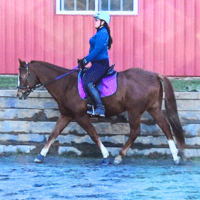

When I was 16 years old, I bought my first horse. I used my own money, including for the monthly expenses, and it was one of the happiest moments of my life. I do believe I was ready for a horse of my own.
Now you may be wondering if you are ready to buy a horse too.
So how do you know if you are ready to buy a horse?
You are more likely ready to buy a horse if you can afford both the upfront and ongoing costs, have enough riding and horse care experience, know where the horse will live, have the right support in place, and fully understand the responsibility that comes with horse ownership.
Buying a horse is exciting, but it is also a huge commitment. It is not just about finally getting to have a horse of your own. It is about being able to care for that horse properly, make good decisions, and stick with that commitment long term.
This post is here to help you look at that honestly.
READ POST>> Beginner’s Guide To Buying Your First Horse
9 Signs You’re Ready to Buy a Horse
Below are some of the biggest areas you should be able to say yes to before buying your first horse. If you have a few weak spots, that does not necessarily mean you can never own a horse. It just means those are probably the areas you need to work on first.
1. You Can Afford the Real Cost of Horse Ownership
The purchase price is not the hard part. The hard part is everything that comes after.
You need to be able to afford the monthly upkeep of the horse, not just buying the horse itself. That includes board or housing, feed, farrier care, veterinary care, lessons or training, tack and equipment, and the many little expenses that add up over time.
You also need to think about the initial costs that come with getting your first horse. That may include the horse’s price, a pre-purchase exam, transportation, tack, equipment, instructor help, and setting aside an emergency fund.
If paying for the horse would leave you stretched too thin, that is a sign to slow down.
2. You Have an Emergency and Backup Plan
This is a big one.
You need a plan for what happens if you go through a period where money is tight. You also need a plan for what happens if the horse gets hurt, sick, needs time off, or becomes unrideable.
A horse still needs care even when life changes or things do not go according to plan.
Part of being ready to own a horse is understanding that you are taking on responsibility for a living animal, not just the fun parts of riding. You have to think ahead and be honest about whether you could still do right by the horse if things got hard.
3. You Have Enough Riding Experience
Before buying a horse, you should have a solid riding foundation.
That does not mean you need to be an advanced rider or know everything. It does mean you should have enough experience to safely and confidently handle the basics. You should be taking regular lessons with a qualified instructor and be able to walk, trot, and canter with confidence.
It is also a good idea to have ridden outside of the arena a bit too, such as on trails or in open spaces, so your experience is not limited to one very controlled setting.
You should not be buying a horse when you are still very early in learning the basics.
4. You Have Hands-On Horse Care Experience
Being able to ride is not the same thing as being ready to own a horse.
You should already have some real hands-on horse care experience. That includes things like grooming, tacking up, mucking stalls, handling horses on the ground, and understanding the daily responsibilities that come with caring for them.
You should know basic feeding rules, understand some common signs that something may be wrong, and know when it is time to call the vet.
Owning a horse means caring for the whole horse, not just riding it.
5. You Have Leased or Cared for a Horse Before
One of the best ways to know if you are ready to own a horse is to lease one first or spend real time helping care for one.
Leasing gives you a much better idea of what horse ownership actually feels like. It helps bridge the gap between taking lessons and owning a horse of your own.
If you have leased a horse for several months, or have done daily horse chores for a meaningful amount of time, that gives you much better insight into whether you are truly ready for ownership or just love the idea of it.
6. You Already Know Where the Horse Will Live
Before buying a horse, you should already have a good idea of what the horse’s living situation will be.
Will the horse be boarded at a barn or kept at home?
Do you understand the different boarding options?
Do you know what kind of setup is appropriate for your situation and experience level?
For many beginner horse owners, boarding is the better option because there are more experienced people around, the horse’s daily care is more supported, and you are not trying to do everything alone.
Keeping a horse at home can work, but it is a lot more responsibility and not something most beginners should rush into.
7. You Have the Right Support Team
Buying your first horse should not be something you do completely on your own.
You should have knowledgeable people you can go to for help and advice. Ideally, that includes a good riding instructor or trainer, an equine veterinarian, and a farrier. Depending on your situation, it may also include people like an equine dentist, saddle fitter, or other horse professionals.
You do not need to have every single person perfectly lined up before buying, but you should not be going into horse ownership with no support and no one experienced to help guide you.
8. You Know What Kind of Horse You Need
A lot of people get stuck on what horse they want before they have really thought through what horse is actually right for them.
Before buying, you should have a clear idea of the type of riding you want to do, what your skill level is, what kind of temperament you need, and what kind of horse would realistically suit your goals.
Do not buy a horse just because it is pretty, cheap, convenient, available, or seems sweet on first impression.
You need to think about whether that horse is actually appropriate for you.
You should also plan to bring an experienced horse person with you to help screen horses and help you make a smarter decision. And when you get serious about one horse, you should plan to have a vet do a pre-purchase exam.
9. You Are Emotionally Ready for the Responsibility
This is the part people do not always talk about enough.
Owning a horse is not just fun, riding, and finally having a dream come true. It is also worry, responsibility, stress, setbacks, and making hard decisions sometimes.
There will likely come a time when your horse gets hurt, gets sick, needs time off, or cannot do what you hoped they would do. You need to be ready for the reality that the horse still depends on you in those moments too.
Being ready to buy a horse means being willing to put the horse’s well-being first, not just thinking about what you want out of the horse.
Questions to Ask Yourself Before Buying a Horse
Here are some honest questions to ask yourself before buying your first horse:
- Do you make enough money to afford the monthly costs of horse ownership?
- Do you have a backup plan if you go through a period where you cannot afford the horse’s upkeep?
- Do you have a plan if the horse gets injured, sick, or becomes unrideable?
- Do you know where the horse will live?
- Do you understand the different boarding options?
- Have you mucked out stalls and done basic horse chores before?
- Have you taken weekly riding lessons with a qualified instructor for at least a year?
- Have you leased a horse for at least several months?
- Can you walk, trot, and canter confidently?
- Can you ride without depending completely on the horse being a quiet lesson horse?
- Have you ridden outside the ring, such as on trails or in open areas?
- Are you able to safely handle horses on the ground?
- Do you know the basic rules of feeding horses?
- Do you know some of the common signs of colic or illness?
- Do you know when you need to call the vet?
- Do you understand what a farrier does and how often horses need hoof care?
- Have you cared for horses consistently enough to understand the daily reality?
- Do you know what kind of horse fits your riding goals and ability level?
- Do you have experienced people who can help guide you through the buying process?
- Are you prepared for the fact that horse ownership is a long-term commitment?
If too many of those answers are no, that does not mean you can never own a horse. It just means now is probably the time to work on those areas first.
How to Get Ready to Own a Horse
If you know you are not fully ready yet, that is okay. It is much better to be honest now than to rush into buying a horse too soon.
Here are some of the best ways to get yourself more prepared:
Take an honest look at your weak areas
Go back through the questions above and figure out where your weak spots are. Those are the areas to focus on first.
Work out the real numbers
Figure out what it would cost you to own a horse monthly and annually. Add those numbers into your real budget, not your dream budget.
Save for the upfront costs
Make sure you understand how much you need to save not just for the horse, but also for the pre-purchase exam, transportation, tack, equipment, trainer help, and an emergency fund.
Keep taking lessons
Regular lessons with a good instructor are one of the best things you can do before buying a horse. Keep building your riding skills and your overall horse knowledge.
Lease before you buy
If possible, lease a horse first. It is one of the best ways to test whether you are really ready for the responsibility of ownership.
Learn more about horse care
Read, ask questions, spend more time at the barn, and learn as much as you can about horse care, horse behavior, horse health, and horse management.
Decide what kind of horse actually fits you
Think through your discipline, goals, riding level, confidence level, and the kind of temperament you need. Focus on what is suitable, not just what is appealing.
Build your support team
Start finding the people you would want in your corner once you own a horse, such as an instructor, vet, farrier, and other trusted horse people.
Do not rush
Do not buy a horse because it feels exciting, because one seems like a good deal, or because you are tired of waiting. Take your time and make sure you are making a decision you can truly stand behind.
Related Video
I also made a video on things to think about before buying a horse. It does not cover this checklist point-for-point, but it may still be helpful if you want a broader overview.
Final Thoughts
Buying your first horse is a huge step. It can be one of the best things you ever do, but only if you go into it prepared.
Wanting a horse very badly does not automatically mean you are ready for one. Being ready means you have the financial ability, riding foundation, hands-on experience, support, and long-term commitment needed to give that horse a good life.
If you are not quite there yet, that is not a failure. It just means you still have some things to build first.
And if you are there, then that is exciting. Just make sure you go into it with clear eyes, a solid plan, and the horse’s well-being at the center of it all.
Cheers,
Kacey