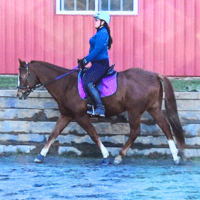

You’re cruising along the rail, things feel steady, and then—your instructor says, “Change direction!”
And you pause. Are they asking for a reverse? A diagonal? Should you make a turn right now or at the next letter? Is it a circle? A straight line? A full-on maneuver or something subtle?
Let’s clear it up—once and for all.
In this post, I’m walking you through what a change of direction actually is, why it matters, all the different ways you can do it, and how to ride it with clarity and feel—whether you’re at the walk, trot, or just starting out.
Think of this as our lesson together in the ring. You’re mounted, I’m at the rail, and I’m about to show you not just how to go the “other way,” but how to ride that transition with purpose.
What Does “Change of Direction” Mean in Riding?
Simply put, a change of direction means that you and your horse switch from tracking one way (say, going to the left) to tracking the opposite way (to the right). That shift can happen in several ways.
When you change direction:
- Your inside aids become outside aids and vice versa.
- If you’re posting the trot, your diagonal changes.
- Your horse’s bend and balance adjust.
- And you, the rider, need to cue all of this smoothly and clearly.
Why Changing Direction Matters
It might seem like a simple riding pattern, but it’s actually a fantastic tool to:
- Keep your horse balanced and even on both sides.
- Build suppleness by changing bend gradually or clearly.
- Develop your timing and coordination as a rider.
- Help your horse stay mentally attentive and physically symmetrical.
And most importantly—it helps prevent boredom and overuse of one side. Horses, like us, can get a little one-sided if we don’t switch things up often!
Different Ways to Change Direction in the Arena
There’s no one “correct” way to change directions unless your instructor asks you to change directions specifically or your in a dressage test that calls for specifics as well. Choosing which way to change direction depends on your space, your pace, and what you’re practicing. Here are the most common methods for beginners:
1. Half-Circle Reverse (Tear Drop Reverse)
- One of the most familiar changes for beginners.
- Ride a large half-circle toward the inside of the arena, then steer back to the rail on the opposite rein.
- Used often at the walk.
- Emphasizes soft steering and bend.
2. Across the Short Diagonal
- Example: Ride from F to E or H to K.
- Quick and effective. A great way to change direction while maintaining a straight line.
- Forces you to stay sharp and prepare quickly.
3. Across the Long Diagonal
- Example: Ride from M to K or F to H.
- This gives your horse more space to stretch and straighten.
- Allows more time to set up for your new bend.
4. Down the Centerline
- Ride straight down the middle of the arena from A to C or vice versa.
- Helps develop straightness and control.
- At the end, turn left or right to change direction.
5. Serpentines and Figure Eights
- More advanced but highly beneficial.
- Changes direction multiple times in a rhythmic pattern.
- Builds symmetry, focus, and bend in both directions.
How to Prepare for Any Direction Change
Here’s what I’d be saying from the rail as you get ready:
- “Eyes first.”
Always look where you’re going before you start turning. If you don’t look there, your horse won’t know where to go. - “Inside leg, outside rein.”
Your inside leg guides the bend and keeps the horse from falling in. The outside rein supports the shoulder and shapes the turn. - “Don’t pull the rein across the neck.”
Bring your inside hand toward the neck slightly to help guide—but don’t pull across. - “Ride to the new wall with intention.”
Whether you’re going across the diagonal or making a reverse, ride all the way to your next marker on the rail. Follow through, don’t drift. - “Adjust your body, not just your hands.”
Your seat and posture matter. Keep level hips and shoulders. Let your inside hip open into the turn.
Beginner Exercise: Walk & Change Directions
You can practice this at the walk until you feel smooth and confident. Here’s a little arena pattern to try:
Exercise: Walk Transitions + Change of Direction
- Start at the walk, tracking left.
- Pick one of the direction change patterns above:
- A half-circle reverse,
- Across the short diagonal,
- Or down centerline.
- Say out loud as you ride:
- “Eyes look where I’m going.”
- “Inside leg, outside rein.”
- “Sit up tall and follow through.”
- When you finish the direction change, ride along the rail in the new direction.
- Optional: Add a halt before each change to reset and prepare with intention.
Repeat this at the trot when you’re ready—and don’t forget to switch your posting diagonal after the change!
Common Mistakes to Avoid
- Pulling the inside rein instead of steering with your whole body.
- Not looking where you’re going.
- Leaning into the turn—your weight shifts the horse off balance.
- Forgetting to support with the outside rein and leg.
- Turning too early and missing the intended path back to the rail.
And finally—don’t overthink it. Direction changes are a tool for growth, not a test. Ride with feel, not fear.
Final Thoughts from the Rail
Changing direction isn’t just a way to go the other way—it’s a moment to reset, rebalance, and ride with intentionality. Whether you’re riding across the diagonal or turning in a soft half-circle, each change gives you and your horse a fresh opportunity to connect.
So the next time someone calls out “Change direction!”—don’t just aim to turn. Ride the change. Feel the bend. Support the balance. Lead the way.
Would you like a free printable pattern sheet for these direction changes? I’d be happy to make a simple visual guide for your practice sessions. Just let me know in the comments!
Ride joyfully,
Kacey