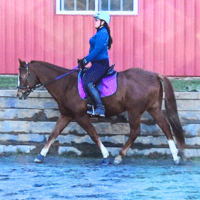

Let me guess—you’re riding around the arena, trying to stay on the rail, and your horse keeps cutting in. Suddenly you’re three feet off the wall, your circles look like potatoes, and your instructor keeps yelling, “Ride into your corners!”
Sound familiar?
You’re not alone. This is one of the most common challenges I see in beginner and even some intermediate lessons. And it’s not just about steering—it’s about balance, direction, and how clearly you’re using your aids. Sometimes, it’s also the horse’s own balance or muscle strength that plays a role. A horse that’s weaker on one side, less developed in the hind end, or still learning to carry themselves straight may naturally drift or avoid the corners. That’s when they need your support, patience, and clarity even more—not stronger aids, but more thoughtful ones.
So today, we’re going to talk about how to keep your horse close to the rail, how to ride into the corners (not just skim past them), and how to start feeling your way to better control—without pulling, clamping, or nagging.
Picture us standing together at the mounting block. You’re already mounted, we’ve gone over your rein length and your riding position. If you haven’t read those posts yet, here’s what I recommend catching up on first:
- The Balanced Seat for English Riding
- How to Hold the Reins
- How to Shorten and Lengthen Your Reins in English Riding
- How to Find the Right Rein Length
- Basic Controls: Using Your Aids in English Riding
- Learning to Walk, Stop & Turn
Got those? Awesome. Let’s ride.
Why Your Horse Leaves the Rail
Let’s start with what’s really going on when your horse won’t stay out near the wall.
What I Often See in Riders:
- Eyes focused straight ahead, not into the corners. When you don’t look where you want to go, your body can’t help lead your horse there. If your eyes and shoulders stay straight, you signal the horse to cut the corner.
- Inside rein too short or pulling back. This is a big one. If your inside rein is shorter than your outside rein—even slightly—it can tip the horse’s head in and encourage the shoulders to fall in, causing the horse to drift off the rail.
- Outside rein isn’t supporting. Many riders forget the outside rein is part of steering—it shapes and supports the turn, preventing the horse from overbending or losing their line.
- Inside leg floats off or gets too passive. Without the inside leg saying “stay out,” your horse will take the easier path and drift in—especially toward the gate or middle of the arena.
- Overbending or twisting the horse to the outside. Some riders try to “push” the horse back to the rail by pulling the outside rein or opening it wide. But this overbends the horse away from the rail, often letting the shoulder pop inward. You end up with a horse moving diagonally across the track—like a messy leg yield.
- Leaning in with the upper body. This one’s subtle but powerful. If you shift your weight inward, the horse feels it and may follow that pressure, interpreting it as a cue to move that way.
- Correcting too late. By the time the horse has already left the rail, a reactive correction rarely works smoothly. The goal is to prevent the drift, not chase it once it’s already happened.
What the Horse Might Be Feeling:
- Unclear boundaries. When your aids don’t support both sides of the body—like missing outside rein or inactive inside leg—your horse doesn’t feel guided along a straight path.
- Mixed messages. Pulling with one rein while turning your shoulders a different direction, or clamping with both legs without seat support, leads to confusion.
- Weight shift from the rider. If you lean in, collapse a hip, or shift your seat bones unevenly, your horse might think you’re asking for a turn or movement off the rail.
- Physical struggle. If your horse is crooked, stiff, or weak on one side, they may find it physically difficult to stay straight without your help. That’s where balanced riding and consistent aids come in.
Understanding these dynamics is crucial. By becoming more aware of your own body position and the clarity of your aids, you can provide better guidance and support to your horse, helping them stay confidently on the rail.
What “Riding the Rail” Really Means
Staying on the rail isn’t just about the horse’s location—it’s about straightness, direction, and balance.
You want your horse to move forward between two invisible boundaries: your outside aids (leg and rein) and your inside aids (which guide and support the bend).
When your horse cuts in, they’re drifting into an unguarded space. Your job is to close that door with your body—not your frustration.
Step-by-Step: How to Keep Your Horse Close to the Rail
1. Ride with a Destination
Don’t just “go around.” Look three to five strides ahead, especially in corners. Your eyes lead your body, and your body leads the horse. If you’re staring at your horse’s ears or the ground, your direction becomes foggy.
Instructor tip: Pick a letter (like F, M, or C) and ride toward it. Don’t just hope to hit the rail—aim.
2. Use Your Inside Leg as a Post
Your inside leg is not just decoration—it tells the horse, “Don’t drift in here.” Keep it softly at the girth. If your horse starts to fade inward, pulse your inside calf to say “Hey, stay out there.”
You’re not nagging or squeezing constantly—you’re correcting clearly and then releasing.
3. Use Your Outside Rein for Direction
This surprises a lot of new riders. The outside rein is what shapes the path.
If your horse is falling in, your instinct might be to pull more with the inside rein. But that often makes it worse. Instead:
- Steady your outside rein to hold the horse’s shoulder out and keep the neck straight.
- Soften your inside rein just enough to allow the bend without collapsing.
You want your horse to feel like they’re moving into a boundary, not being pulled around.
4. Keep Your Inside Hand Low and Open, Not Back
This is a subtle one. If you lift or pull back with your inside hand, you might accidentally tell your horse to slow down and turn inward.
Instead, keep your inside hand low and soft, like you’re gently inviting the turn—not demanding it.
5. Check Your Own Position
Are you leaning in? Are your shoulders turning before your hips? Are your eyes ahead?
Even a tiny collapse in your inside hip or dropping your inside shoulder can cause your horse to tip inward. Sit tall, level through your seat bones, and let your inside hip open toward the direction you want.
By focusing on these steps, you’ll provide your horse with clear, consistent cues, encouraging them to stay close to the rail and navigate corners with confidence. Remember, it’s about guiding with subtlety and understanding, creating a harmonious partnership between you and your horse.
Riding into the Corners (Not Skipping Them)
Corners aren’t just the edges of the arena—they’re opportunities to enhance your horse’s balance, suppleness, and responsiveness. Riding into the corner helps your horse stay balanced, learn to bend, and prepare for transitions or movements coming next.
How to Ride Into the Corners:
- Look into the corner before you get there. Your eyes signal your turn.
- Think “square, not circle.” You’re riding deep, then turning—not rounding off the corner early.
- Use your inside leg to support and outside aids to shape. Your inside leg encourages the bend, while your outside rein and leg guide the direction and prevent overbending.
- Keep your rhythm steady. Don’t let your horse slow down or speed up through the corner.
Visual Trick:
Imagine there’s a cone placed a few feet off each corner. You’re riding your horse around that cone before turning. Not into the wall, but not cutting across early either.
And if your horse cuts corners a lot?
Start turning earlier with your eyes and seat, and block the drift before it starts using your inside leg and outside rein.
Remember, each corner is a chance to communicate clearly with your horse, reinforcing balance and direction. By approaching corners with intention and proper aids, you set the stage for more advanced movements and a harmonious ride.
Common Mistakes to Watch For
Navigating corners effectively is crucial for maintaining your horse’s balance and rhythm. Here are some frequent pitfalls riders encounter:
- Overusing the Inside Rein: Relying too heavily on the inside rein to steer can lead to overbending the horse’s neck, causing the shoulder to drift out and the horse to lose balance.
- Neglecting the Inside Leg: Allowing the inside leg to become inactive removes essential support, making it easier for the horse to fall inward through the corner.
- Looking Down or Leaning Inward: Dropping your gaze or tilting your upper body inward disrupts your balance and sends mixed signals to your horse, often resulting in cutting the corner.
- Delayed Corrections: Waiting until the horse has already deviated from the intended path before correcting can reinforce bad habits. Proactive adjustments are more effective.
- Tightening the Reins Instead of Softening: Gripping the reins tightly in response to a drift can cause tension and resistance. Instead, focus on softening your hands and using your seat and legs to guide the horse back on track.
Remember, effective cornering involves riding your horse straight into the corner, applying the appropriate bend through the turn, and then straightening out again upon exit. Consistent practice and mindfulness of these common mistakes will enhance your horse’s performance and your overall riding experience.
Try This Exercise: The Rail Check Ride (Walk or Trot)
This exercise is designed to help you and your horse stay attentive to the rail and navigate corners effectively.
1. Ride a Full Arena Circuit:
Begin at a walk or trot, maintaining a steady rhythm as you travel around the arena.
2. Prepare for Each Corner:
As you approach each corner, mentally cue yourself:
- “Inside leg at the girth to support.”
- “Outside rein to guide and contain.”
- “Eyes looking through the corner to the next point.”
This mental checklist reinforces the coordination of your aids and keeps your focus ahead.
3. Address Drifting Promptly:
If your horse begins to drift inward:
- Apply a gentle, pulsating pressure with your inside leg to encourage straightness.
- Maintain a steady contact with your outside rein to prevent the shoulder from falling out.
- Ensure your posture remains upright, avoiding any leaning that might signal an unintended turn.
4. Reinforce Positive Behavior:
When your horse responds correctly:
- Soften your aids to a neutral position, allowing the horse to move freely while staying attentive.
- Offer verbal praise or a gentle pat to acknowledge their responsiveness.
5. Practice Consistently:
Repeat this exercise at both the walk and trot until it becomes second nature. Over time, your horse will begin to understand and anticipate the desired path, maintaining alignment with minimal correction.
By incorporating this exercise into your routine, you foster clear communication and mutual understanding between you and your horse, leading to more harmonious rides.
Final Thoughts From the Rail
Learning to keep your horse close to the rail and into the corners isn’t about making them obey—it’s about riding with awareness and intention.
When you ride with feel, every turn becomes a choice. Every step is guided—not forced.
And when you ride like you mean it, your horse believes you.
Got questions about arena patterns, steering struggles, or corner confusion? I’d love to help. Send me a message or leave a comment—teaching these small but powerful details is one of my favorite parts of riding instruction.
Ride joyfully,
Kacey